The number one, anti-ageing product on the market: Let’s talk SPF!
My patients will be sick of me saying this, but if you aren’t wearing SPF everyday there is no point in getting botox, dermal filler, or investing in that fancy ‘anti ageing, collagen promotion, miracle peptide’ that you swear you’ll use everyday.
Here's a skincare truth: if you’re not wearing SPF, you’re anti-ageing in reverse.
SPF isn’t ‘just sunscreen’, it’s also your anti wrinkle cream, your dark spot prevention, your safety net against UV damage, and the protector of your precious collagen.
Every single skin professional will tell you this – SPF is your skin care non-negotiable.

Why daily SPF matters
UV rays are given off by the sun 365 days a year, regardless of the weather or what season it is, in fact up to 80% of UV rays penetrate clouds (relevant if you live in Manchester!). This means that when it’s daylight outside, your skin is constantly exposed to them and the damage they can cause. Studies have shown that even blue light emitted from screens can cause collagen breakdown, and contribute to hyperpigmentation.
Wearing an SPF is the only thing that can protect you from this.
What does it actually protect you from?
☀️ UVA - Ageing Rays
UVA rays penetrate deeper into the skin, causing harm to the fibroblasts within your skin cells, increasing the amount of oxidative stress within the dermis, and indirectly damaging the DNA within your skin cells… What does this mean for you?
This means..
Loss of firmness
Fine lines and wrinkles
Pigmentation
Increased inflammation
☀️ UVB - Burning rays
UVB rays only reach the outer layers of the skin and are what cause you to tan, burn, and get sunspots. When you can feel the warmth from the sun on your skin, you will be exposed to UVB rays. Whilst UVB rays don’t penetrate as deep, they cause direct damage to the DNA within the skin cell and are the primary driver for skin cancers such as melanoma and basal cell carcinoma.
What SPF number should you use?
The number on the SPF relates to the amount of protection a product gives you, when it comes to your face I would always opt for the highest option with SPF 30 being the minimum, but SPF 50 being the best option.
The difference between SPF 30 and SPF 50?
SPF 30 blocks about 97% of UV
SPF 50 blocks about 98–99%
It might seem like a minimal difference, but over a long period of time that 1-2% will add up.
Chemical or Mineral, what’s better?
Chemical filters:
Chemical filters offer lightweight and invisible protection, and are absorbed into the skin. They are great for daily wear, but it’s important to use a good anti-oxidant alongside. Chemical SPFs can increase reactive-oxidative-stress within the dermis, so an antioxidant like Vitamin C is crucial to remove that stress.
Mineral filters:
Mineral filters include Zinc Oxide and Titanium dioxide, they sit on top of the skin and reflect the light away from the skin. If you have sensitive skin, acne, or rosacea, opt for a mineral SPF as it will be a bit kinder to the skin but they can appear ashy or make skin look paler if you use an untinted version. If you are prone to getting ingrown facial hair or red bumps after shaving, mineral SPFs are more gentle and less likely to cause irritation.
Best of Both:
Some SPFs contain both mineral and chemical filters and are often recommended by dermatologists - by combining both you enhance the protection but in a gentle formula, which can be used on a daily basis.
How will I know…
To know which SPF you're buying, check out the active ingredients. Chemical SPFs will contain a chemical such as oxybenzone, oxtinoxate, or avobenzone, within the ingredients. If the main active ingredients only include Zinc Oxide or Titanium dioxide, it’s a mineral one! (Or better yet take a picture of the ingredients and ask ChatGPT)
Broad Spectrum: An SPF Must!!
Broad Spectrum means that the SPF is going to protect you against both UVA and UVB rays - it generally correlates to the strength of the SPF. If an SPF is 15 or lower, it will only protect you from the UVB( burny) Rays, meaning all the UVA (ageing) damage is still going to be happening at a cellular level.
When do I apply?
You should apply SPF everyday, in the morning, after your moisturiser, before makeup. Ideally your SPF should be in addition to moisturising and separate from your makeup – SPF within makeup isn’t enough to protect you.
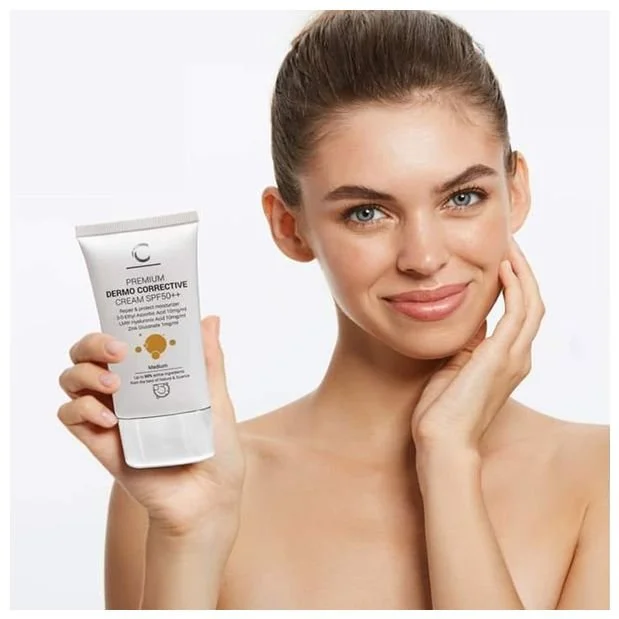
I apply my SPF everyday after moisturising, the SPF I use is tinted so I use it almost like a BB cream or a really light foundation. Then I am good for the day!
SPF and injectables…
Getting injectable treatments without using an SPF everyday is so counterproductive to me, now I have an understanding on how the injectable treatments work and why people are motivated to invest in them, it doesn’t logically make sense in my brain for you to spend £££ on treatments without using SPF.
The results of your treatment won’t last as long or be as impactful without this crucial step, because the UV will break down all the new collagen, elastin, and hyaluronic acid treatments.
It’s like spending £300 on a haircut, but never brushing it.
No excuses now my loves – SPF every day please.