Zoom Dysphoria: Why We’re All Suddenly “Seeing” Our Faces Differently
Zoom Dysphoria: Why We’re All Suddenly “Seeing” Our Faces Differently
Over the past few years, I’ve noticed a common culprit popping into my consultations again and again,
“I never realised I had that line until I saw myself on the screen.” or “Now I can’t unsee my nose / lips / forehead when I’m on camera.”
It has a name: Zoom Dysphoria and trust me, you’re not alone.
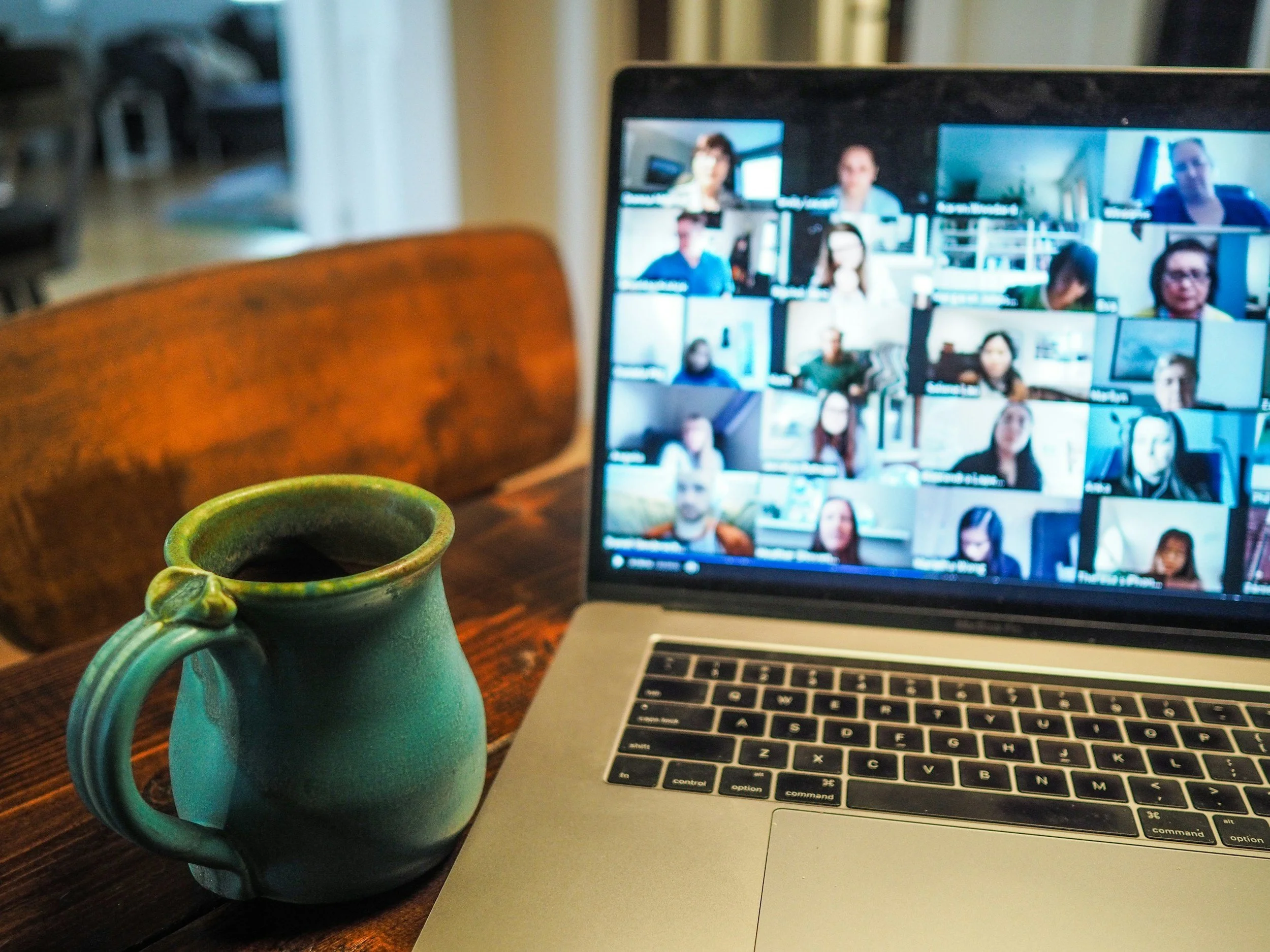
What even is Zoom Dysphoria?
Zoom dysphoria was first identified following the covid pandemic, and describes the heightened awareness or dissatisfaction with your appearance that comes from repeatedly seeing yourself on video calls. It’s not vanity, and it’s not a “silly insecurity.” It’s a psychological response to staring at your own reflection for long periods of time in unnatural conditions. Imagine holding a mirror six inches from your face under harsh fluorescent lighting… all day. That’s what Zoom does.
Why does it happen?
1. Cameras distort reality
Front-facing cameras are not a true representation of your face. They:
Widen the middle third of the face
Flatten features
Exaggerate asymmetries
Highlight shadows and fine lines
You are not seeing the same “you” that others see in real life.
2. Unnatural angles
Most people angle their laptop up at the chin or jaw, which is arguably the least flattering camera angle for anyone. Hello double chin illusion, larger nose, forehead shadowing.
3. Constant self-monitoring
We aren’t meant to see our own faces that much. If you were in a meeting at work in person, or if you were having a conversation with your friend, you wouldn’t be able to see what you look like.
Zoom creates a feedback loop:
See flaw → hyperfocus → self-compare → repeat.
For neurodivergent people, this cycle can become even more intense because there’s already a heightened awareness of sensory input and social cues.
Is Zoom Dysphoria the same as body dysmorphia?
No, but it can fuel those feelings.
Zoom dysphoria is usually situational and based on distorted visuals. Body dysmorphia is a mental health condition involving obsessive preoccupation with perceived flaws. If Zoom is making you notice frown lines, areas of asymmetry or skin texture, that’s normal. If it’s impacting daily functioning, confidence, or social connection, it’s worth speaking with a professional.
What can I do about it?
The easiest solution would probably be to turn that camera off, but If it needs to be on for work here are some little tips…..
Turn off the ability to see your own camera using the display settings (out of sight, out of mind!)
Sit in front of natural lighting or position a lamp behind your screen.
Sit with the camera facing you at at eye level
Use a soft background or blur it out
Focus on the person you’re speaking to, not yourself
Zoom dysphoria is not a sign you’re vain, it’s a sign we’re living in a digital world that wasn’t designed for real human faces. I’d think I’d find it a little bit more bewildering if you told me you WEREN’T frowning, whilst having to endure another meeting-that-could-of-been-an-email on Zoom.